


Climbing Mount Fuji for sunrise: which headlamp for the hut and the night climb?

Climbing Mount Fuji for sunrise? You leave the hut at 02:00, in the dark.
In one operator's example you climb the Yoshida trail to a shared hut at the 8th station, sleep there, then climb about 3 hours up steep rock and gravel in a line of climbers to watch sunrise near the top. A headlamp and a spare battery are on the official equipment list.
The Nitecore HA27 UHE headlamp on its middle setting, a second charged battery (HLB1500), and a second light with its own battery, which can be one you already own.
See the kit ↓The climb at a glance
The Yoshida trail with a hut night, as one guided tour (Kuri-board) and the official Mount Fuji climbing site describe it.
The 2026 climbing season ran from 1 July to 10 September and has ended. Dates for 2027 have not been announced as of 5 October 2026, and Hakuunso opened its 2026 hut bookings on 1 May. Check the official Mount Fuji climbing site for dates, the entry fee and gate hours before you plan.
Copernicus Sentinel-2 imagery, 25 July 2026. Route from © OpenStreetMap contributors (ODbL). For explanation only, not for navigation.
- 6.3 km5th Station to the summit gate, along the mapped line. The official figure for the trail is 6.8 km.
- about 1,450 mof height gained, the official figure
- 1 nightin a shared hut at about 3,200 m
- 02:00leave the hut for the top
- 1Subaru Line 5th Station
- 27th Station
- 3Hakuunso, about 3,200 m
- 4Original 8th Station
- 59th Station
- 6Summit gate by Kusushi shrine
Heights from SRTM 30 m data, so read them as about. Yellow: walked by headlamp. The last hour or two before the hut can also be in the dark.
Rules that affect your night
- The entry fee is JPY 4,000 per person, paid online. Official notice
- The gate is closed from 14:00 to 03:00 unless you are staying in a hut. Official notice
- Huts must be booked in advance. Official hut directory
- No climbing through the night without a hut stay. The authority calls it bullet climbing and says it is extremely dangerous. Official model plan
Your two days, hour by hour
Clock times are one operator's example (Kuri-board, Yoshida 2 day tour). The operator may adjust them on the day.


How much runtime does your headlamp need?
About 6 hours 45 minutes of walking light and 1 hour 35 minutes of low light, across both days.
These are our planning figures. They allow 2 hours of light at dusk on day 1, about 3 hours from the hut to the top and 1.5 hours spare for a delay or weather. The rest is for the hut and waiting.


One battery gives about 7 hours on the middle setting, measured at 26°C. The light gets dimmer as the battery drains. That is too close to 6h45 to rely on one battery, so carry the spare and swap it in at the hut before the 02:00 start. Plan as if you cannot charge at the hut.
How far ahead you need to see
 0.5 to 3 m: your feet on loose rock
3 to 10 m: the next turn of the roped path
10 to 20 m: the marker after that
0.5 to 3 m: your feet on loose rock
3 to 10 m: the next turn of the roped path
10 to 20 m: the marker after that
Illustration, not a measured beam pattern.
What those distances look like
- 5 m: about one car length
- 10 m: about a 3 storey block
- 20 m: about a 7 storey HDB block
In the hut, 0.3 to 1 m is enough for your bag beside sleepers, on red or the lowest white.
The 94 m range on the middle setting is where the beam fades to moonlight level. You see rock clearly for a fraction of that, and in a queue the near part of the beam is what matters.
If the battery runs down, or the lamp fails
Swap in the charged spare battery (HLB1500).
A second light with its own battery, such as the NU30 or a headlamp you already own. A spare battery cannot fix a lamp that is broken or gone.

Practical checklist
- Charge both batteries before you fly.
- Lock the headlamp in your bag: hold both buttons for 2 seconds until it flashes 3 times.
- Keep the spare battery where you can reach it with gloves on.
- Practise the battery swap at home, in the dark.
- Check the strap fits over a warm hat.
- Learn the red and lowest white settings before you get to the hut.
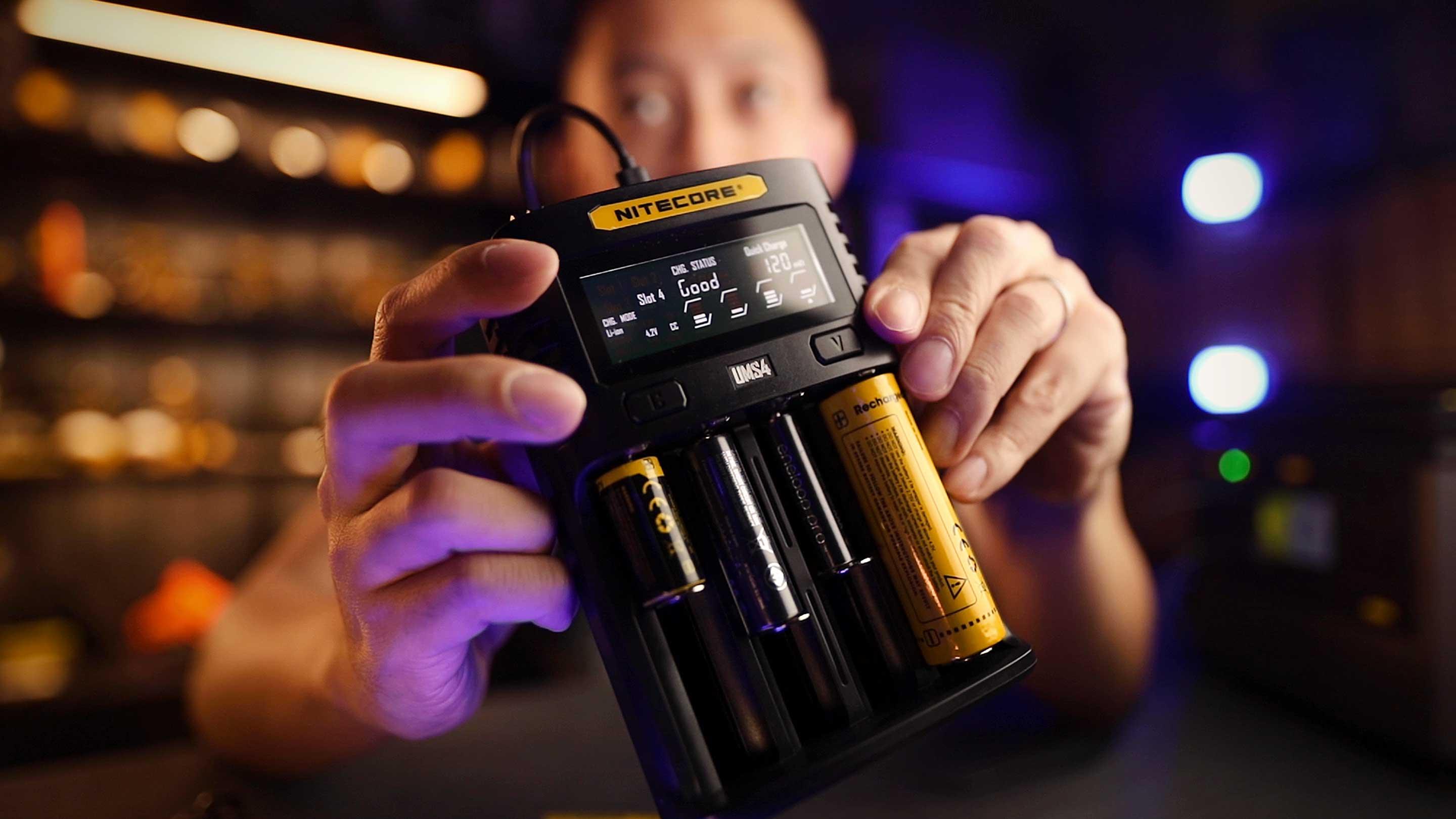
- The battery case also takes 3 AAA batteries in an emergency, for about 3 hours on the middle setting.
The kit we'd pack
- Middle setting: 280 lumens, about 7 hours on the included battery
- Red light, and an 8 lumen white, for the hut
- 100 g with battery
- Rain resistant (IPX6)
- Charges by USB-C in about 1h30
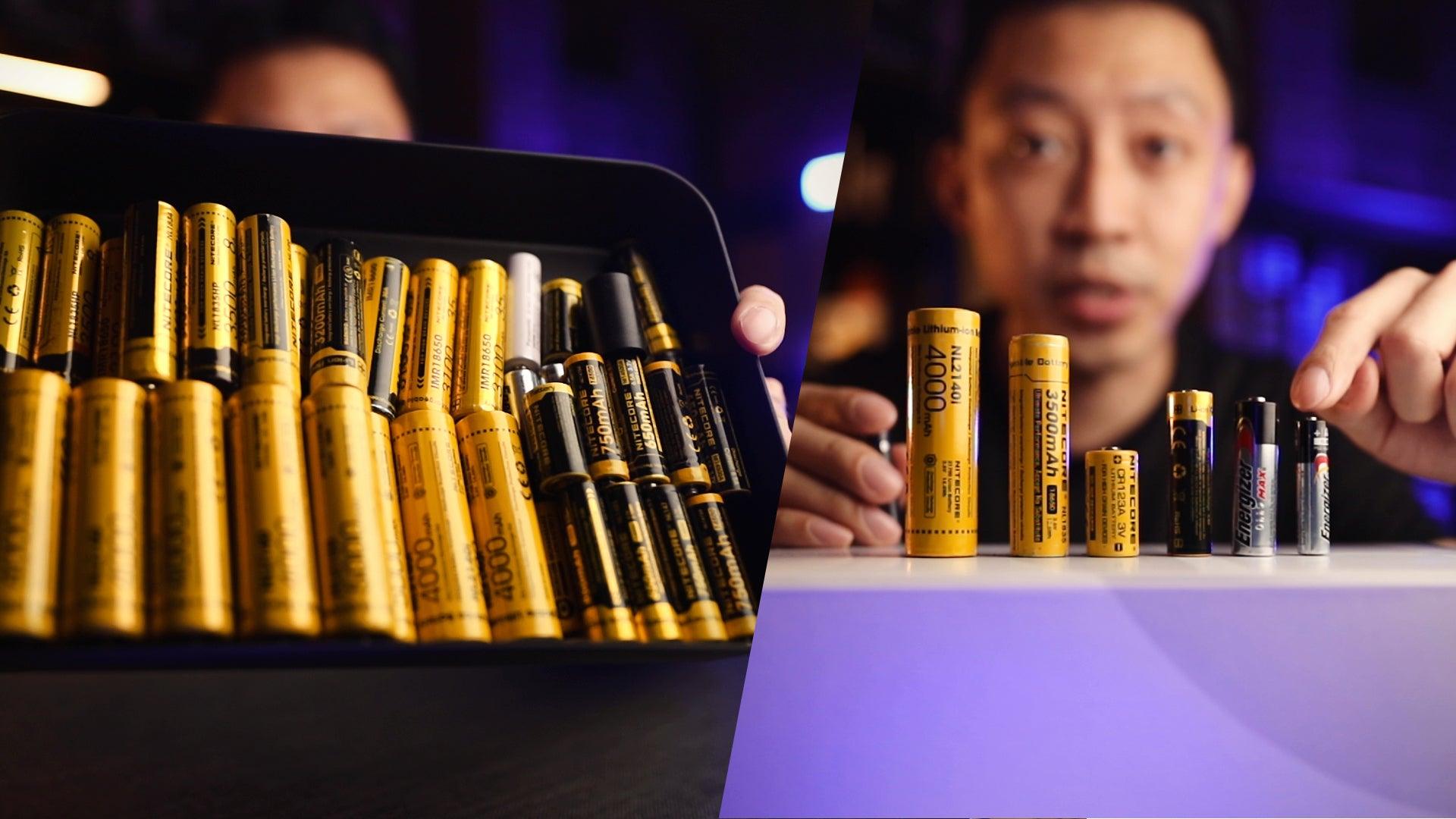
- The same battery that comes with the headlamp
- Another 7 hours on the middle setting
- Charges by USB-C on the battery itself

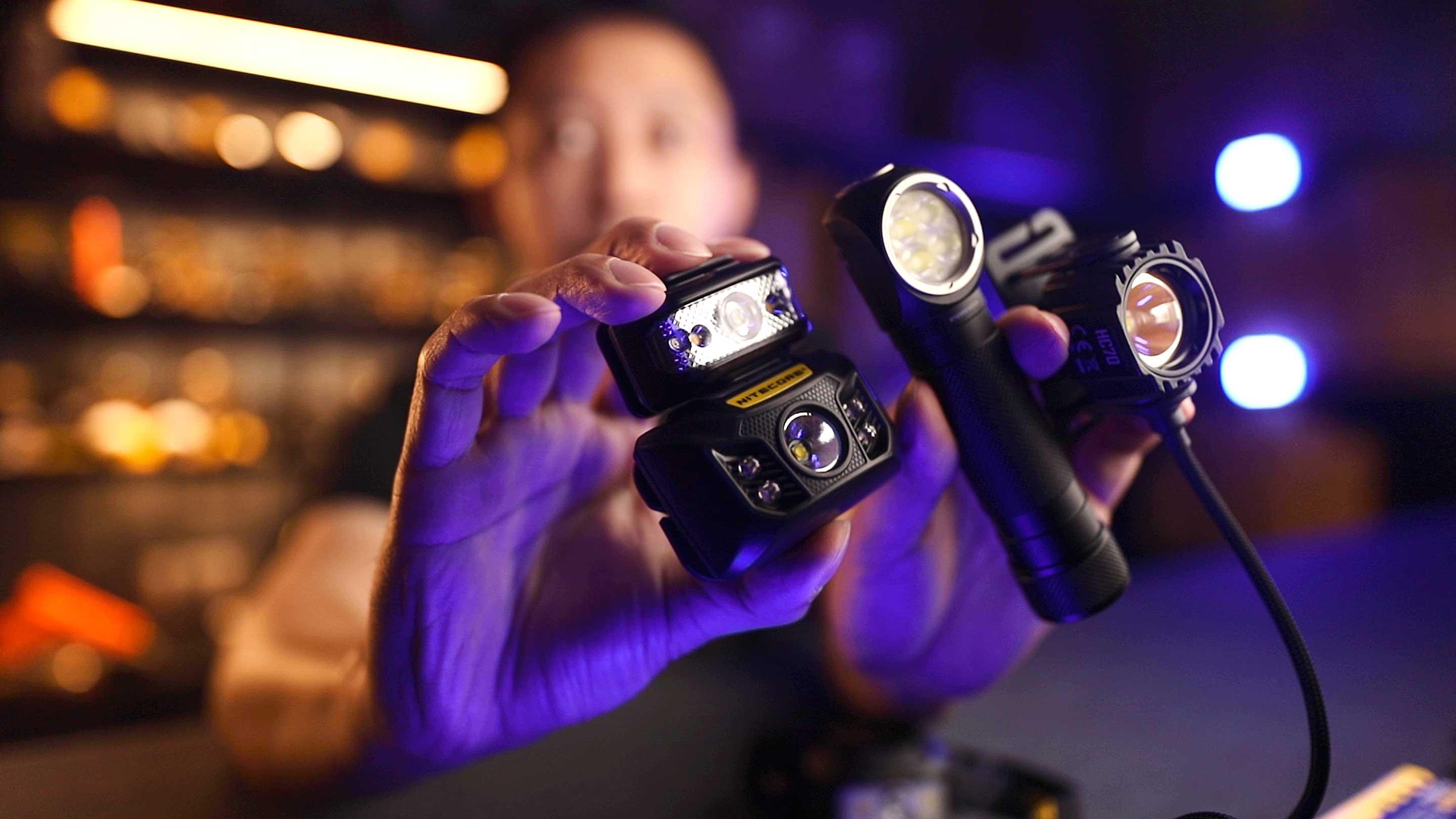
A headlamp you already own, or the NU30: 200 lumens for about 8 hours on its middle setting, red light, 90 g. From S$79. View product →
Already own a headlamp? Check it against this list.
- Runs about 6h45 on a setting you can walk by, or takes a spare battery.
- Has red light, or a white setting under 10 lumens, for the hut.
- The strap holds over a warm hat.
- You can work the buttons with gloves in the dark.
- You have a second light.
Other headlamps that also work

- 300 lumens for about 8h45 per battery on the middle setting. 112 g.
- Waterproof to IPX8 with its HLB2500 battery. The spare is the HLB2500, S$39.

- 74 g, 280 lumens, about 6h30 per battery, so you will swap.
- No white below 100 lumens, so use its red light in the hut.

- 300 lumens for about 17 hours on the middle setting, on a built-in battery.
- 126 g, red light and a lowest white of 8 lumens for the hut.
Runtimes measured at 26°C on the setting and battery listed.
What the mountain looks like
One photo is from the night climb in 2010 and one is from daylight in 2023.


Read firsthand accounts
-
Iida-san, note.com
The same route, up the Yoshida trail and down the separate descent. The group left a hut at 02:30, and the slow queue was the coldest part.
-
Following the Shogun, Mt Fuji climb
Rock walked by headlamp, with long stopped queues and hands on the rock.
-
Reehan Miah, Fuji
Left an 8th station hut at 01:15 into crowds and bottlenecks, and was cold waiting at the summit despite gloves.
-
AsSeenByJane, tips for hiking up Mount Fuji
Other guests switched all the lights on beside people who were sleeping in the hut.
These are personal accounts, not endorsements of any product. None of these climbers is known to have used Nitecore gear.
Questions
Is a headlamp required on Mount Fuji?
Yes. A headlamp and a spare battery are both on the official essential equipment list, and the official site says to check the headlamp works before you go. The Kuri-board tour lists a headlamp as required personal equipment, and rental gear is not in the tour price.
Do I need a red light for the hut?
No rule requires it. The official ranger article says a headlamp with red light is better in a hut because it reduces glare and shows consideration for others. How to switch on the HA27 UHE red light is in the hut row of the hour by hour section.
Can I charge at the hut?
Tomoekan says its outlets are free to guests, and Kamaiwakan says every room has outlets. Hakuunso publishes no charging. Plan as if you cannot.
Will one battery last both days?
No, not with a margin. One battery gives about 7 hours on the middle setting, and these two days need about 6 hours 45 minutes of walking light and 1 hour 35 minutes of low light. Carry the spare battery (HLB1500) and swap it in at the hut.
Can I skip the hut and climb through the night?
No. The gate is closed from 14:00 to 03:00 unless you are staying in a hut, and the authority calls climbing through the night without a hut stay extremely dangerous. The rules are listed in the climb at a glance section.
How cold is it at the top?
Near 0°C before sunrise, according to the official climbing site, which also says the longer you wait for sunrise the higher the risk of hypothermia. The Japan Meteorological Agency's average daily minimum at the summit is 2.8°C in July, 3.8°C in August and 0.6°C in September (1991 to 2020). Pack a warm layer for the wait.
Is the trail open now?
No. The 2026 season ended on 10 September and the official site says the trail is closed from the 5th Station to the summit. Dates for 2027 have not been announced as of 5 October 2026. Hakuunso opened its 2026 hut bookings on 1 May.
I am also climbing Kinabalu, which headlamp?
See our Kinabalu headlamp guide. The HA29 UHE with its spare battery is our pick for that climb.
Questions about your own gear? Contact the team.
Sources and credits
- Official Mount Fuji climbing site, homepage (season ended). fujisan-climb.jp
- Official 2026 Yoshida trail restrictions notice. fujisan-climb.jp
- Official 2026 facility schedule and hiking fee payment. fujisan-climb.jp
- Official things to know before climbing, equipment checklist. fujisan-climb.jp
- Official Yoshida trail model plan. fujisan-climb.jp
- Official mountain hut directory. fujisan-climb.jp
- Official ranger article, 21 July 2023. fujisan-climb.jp
- Official comparison of routes, distances and terrain. fujisan-climb.jp
- Kuri-board, 2026 Mt. Fuji Yoshida Trail Tour. kuri-board.jp
- Hakuunso, home. fujisan-hakuun.com
- Hakuunso, facilities. fujisan-hakuun.com
- Hakuunso, FAQ and sunrise times. fujisan-hakuun.com
- Fujisan Hotel, stop bullet climbing notice. fujisanhotel.com
- Hakuunso, English page. fujisan-hakuun.com
- Official site, avoid the crowds page, and the Japan Meteorological Agency 1991 to 2020 normals for the Fujisan station. fujisan-climb.jp jma.go.jp
- Hakuunso, news (hut booking opened 1 May for 2026). fujisan-hakuun.com
- Tomoekan and Kamaiwakan hut pages (outlets), and Sunshine Tour's Goraikokan hut page (lights out). tomoekan.com kamaiwakan.jpn.org sunshinetour.co.jp
- Nitecore, HA27 UHE manual. nitecore.com
- Nitecore, UT27 MCT manual. nitecore.com
- Nitecore, HA29 UHE manual. nitecore.com
- Nitecore, NU45 manual. nitecore.com
- Nitecore, NU30 manual. nitecore.com
- Nitecore, HLB1500 product page. nitecore.com
- Nitecore, HLB2500 product page. nitecore.com
- Nitecore Singapore, catalogue and price snapshot, 5 October 2026. nitecore.sg
- Nitecore Singapore, Kinabalu headlamp guide, for readers doing both trips. nitecore.sg
- Iida-san, note.com, 24 August 2026. note.com
- Following the Shogun, Mt Fuji climb. followingtheshogun.com
- Reehan Miah, Fuji. reehanmiah.com
- AsSeenByJane, tips for hiking up Mount Fuji, 2019. asseenbyjane.wordpress.com
- Wikimedia Commons, Climbers and mountain huts on Yoshida Route, Alpsdake, CC BY-SA 4.0. commons.wikimedia.org
- Wikimedia Commons, Edoya hut at night, Yoshida trail, Hajime Nakano, CC BY 2.0. commons.wikimedia.org
- Route data, © OpenStreetMap contributors, ODbL. openstreetmap.org
- Sentinel-2 imagery, Copernicus Sentinel data legal notice. sentinels.copernicus.eu
- SRTM 30 m elevation service, used to sample heights along the mapped line. api.opentopodata.org